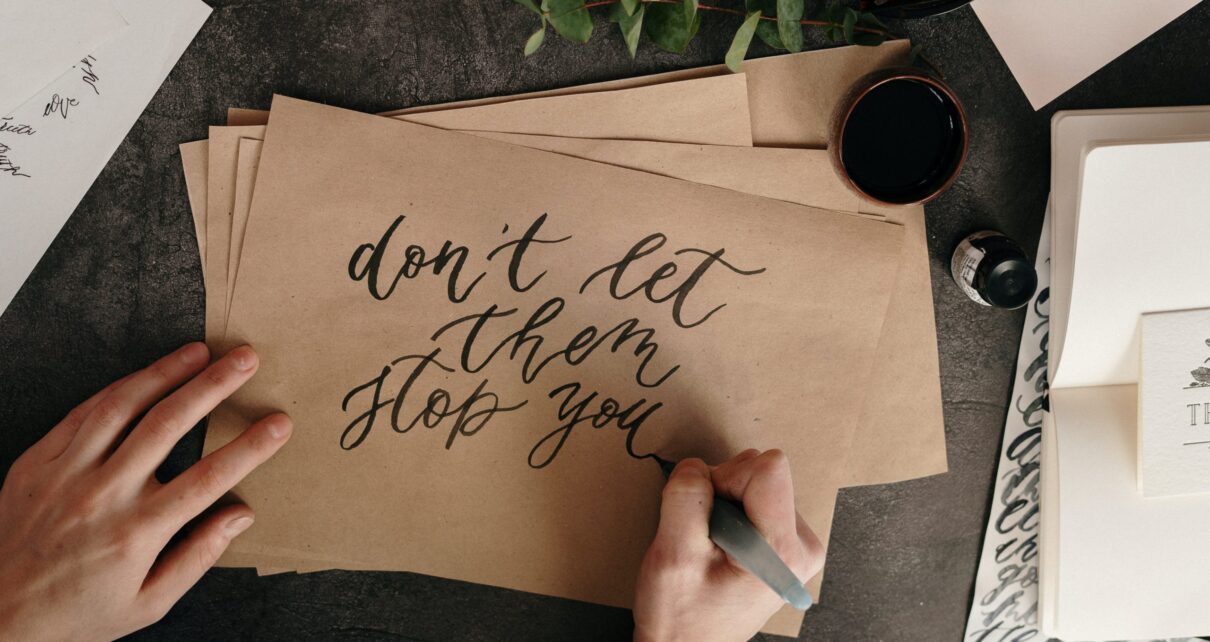
In an age where everything fits inside glowing screens, the lost art of letters has quietly vanished into oblivion. There was a time when ink-stained fingers told stories that no emoji ever could. A time when paper carried warmth, scent, and soul when every curve of handwriting whispered emotion far beyond typed text.
I often wonder if today’s generation will ever know what it means to hold a letter close to the heart one that someone took hours to write, fold, seal, and send. That little piece of paper once had the power to connect hearts across miles, more intimately than any WhatsApp notification ever will.
The Touch of Ink and the Weight of Words
There was a charm in sitting down with a pen and a blank sheet, carefully choosing words, knowing there was no delete button. Each stroke of ink was intentional. Handwritten letters taught patience you had to wait for replies, sometimes for days or weeks. And in that waiting, emotions deepened.
I still remember how my grandmother kept a small box filled with old letters tied with a faded ribbon. Each one carried her youth, her laughter, her sorrows. The texture of the paper, the fading ink all spoke of time and tenderness. When she read them, her eyes gleamed with memories that no file or chat log could ever hold.
When Offices Wrote, Not Typed
Before keyboards took over desks, offices ran on files actual files, with handwritten notes scribbled in margins and side remarks made in hurried strokes. There was personality in those markings. You could sense a boss’s mood by the firmness of his pen or a colleague’s respect in the neatness of her handwriting.
Today’s digital notes may be efficient, but they’re sterile. Everything looks the same in Arial or Calibri clean, perfect, but emotionless. We traded authenticity for convenience, and in doing so, we lost the human texture of our communication.
Childhood Games and Paper Dreams
Those who grew up in the ’90s remember the innocent joy of playing “Name, Place, Animal, Thing” scribbling names on crumpled pages, giggling as pencils raced. Or writing secret notes to friends folded in shapes and passed around the classroom when the teacher wasn’t looking.
There was something deeply satisfying about using your hands to write not just to express words, but to create them. Paper was our companion. Pens were extensions of our thoughts. Now, children swipe screens before they can even hold a pencil properly. They may learn speed, but not the connection between thought and hand that handwriting nurtures.
The Disappearing Connection
It’s not just letters or games that have disappeared it’s a whole emotional ecosystem. Writing by hand connected people to their feelings in ways typing cannot. When you write a letter, your pace slows down. You think, reflect, and feel. You choose words with care, not haste.
Digital messages, by contrast, encourage quick responses and fleeting emotions. The intimacy of ink has been replaced by the efficiency of touchscreens and something human got lost in the transition.
Rediscovering the Lost Art
Maybe it’s time to bring it back. To write one letter a month. To keep a handwritten diary. To send a note instead of a text. The next time you want to say something truly heartfelt, try writing it down. You’ll realize how different it feels to hold your emotions in your hands, rather than seeing them appear on a glowing screen.
There’s beauty in imperfection in ink smudges, uneven lines, and crossed-out words. These are the marks of authenticity, proof that a human hand, not a machine, created something.
Letters Don’t Just Speak – They Stay
The lost art of letters is not just about nostalgia. It’s about reclaiming a part of our humanity that technology quietly erased. In a world drowning in instant communication, handwritten words still offer something rare permanence, sincerity, and soul.
Perhaps one day, when the Wi-Fi drops and screens go blank, we’ll reach for a pen again. And maybe then, we’ll rediscover what it means to truly connect one letter at a time.
About Post Author